

The Impact of Prejudices in Memory Care
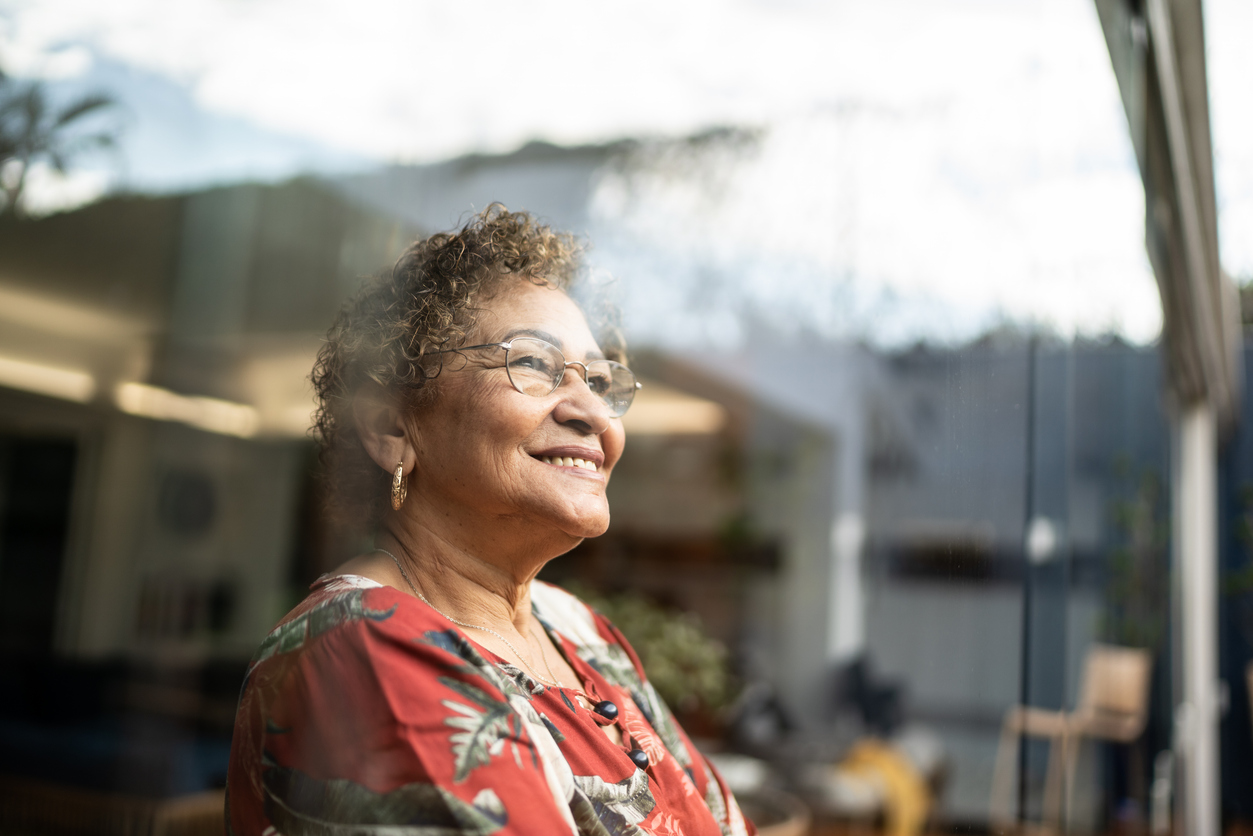
Amina, 72, hesitated to attend a memory assessment. She felt anxious: what if her speech would not be understood, or she would not be able to describe her symptoms? She also wondered whether she would be treated with prejudice because of her appearance and nationality. In her home country, family had always been there to support her—going to the doctor was reserved for extreme situations. The idea of a memory test felt frightening.
As a professional, how can you ensure that Amina feels understood and encountered as an individual, without potential prejudices influencing the interaction?
It is human to form preconceptions. However, they can turn into prejudices if we stop seeing a person as an individual and begin to encounter them only as a representative of their background group. The most important step is to learn to recognize one’s own prejudices and to be willing to work on and dismantle them.
Prejudices are conscious or unconscious pre-formed attitudes or assumptions that can significantly affect memory care work with people from different linguistic and cultural backgrounds. They may appear as assumptions about an individual’s abilities, communication style, or needs.
This can lead, for example, to incorrect interpretations of memory impairment or to underestimating needs. Prejudices may be based on stereotypes or limited prior experiences, but they do not reflect individuals’ real needs, abilities, or personalities.
Why Are Prejudices Especially Significant in Memory Care?
People with dementia and their family members are often dependent on the support and care offered to them. However, individuals from different linguistic and cultural backgrounds may face additional challenges, such as:
- Communication barriers: Language barriers or cultural differences can lead to misunderstandings. For example, the way a person with dementia expresses themselves may vary depending on cultural background.
- Different expectations of care: Family members may view the care and support of a person with dementia differently, for example by emphasizing the family’s role in care or by relating to the illness in different ways.
- Impact of prejudices: Assumptions may guide a professional’s actions, leading to the client being encountered through assumptions rather than as an individual.
Unconscious Prejudices and Their Impact
Unconscious prejudices may appear in situations such as:
- Explaining a client’s behavior stereotypically through cultural background rather than through the individual symptoms of the illness.
- Assuming that the family provides all necessary support without assessing the family’s actual resources and needs.
- Avoiding interaction due to fear of challenges caused by language barriers.
In human encounters, first impressions play an important role and greatly influence the client’s experience. Assumptions and prejudices can act as barriers to interaction, which may lead to lower quality of care for clients from different linguistic and cultural backgrounds.
Individual Tasks
- Think of a situation in which you feel like an outsider or feel that you do not belong. What kinds of feelings does the situation evoke in you?
- Reflect on how prejudices may affect the services and encounters of a person with dementia or family members from a different linguistic and cultural background.
Group Tasks
- Imagine that you encounter a person with dementia from a different linguistic and cultural background. What assumptions do you make based on first impressions? How did your prejudices affect your actions or attitudes?
- Read the following statements. Do you agree? Discuss them as a group.
- In immigrant families, dementia is associated with taboos and shame.
- The care and support of immigrants with dementia are left to the family or community.
- The biggest barrier to the care and support of immigrants with dementia is the language barrier.
- Immigrants with dementia and their family members have the same access to health and social services as the majority population.
- Immigrant families have the same caregiving responsibility as the majority population.
- Problems in the care and support of immigrants with dementia are caused solely by cultural differences.
- Meeting the needs of immigrants with dementia is complex for health and social care professionals.
- Immigrants with dementia and their family members require a different approach than others.
- Immigrants with dementia and their family members are not open to health and social services offered by professionals.
- Immigrants with dementia and their family members expect different things from care and support than the majority population.
More information about the topic (in Finnish)

More information

Muistiopas-hanke; eri kieli- ja kulttuuritaustaisten muistisairaiden ja läheisten tukeminen, monikulttuurisen muistityön kehittäminen ja vahvistaminen (suomi, svenska, English)

Muistiopas-hanke; eri kieli- ja kulttuuritaustaisten muistisairaiden ja läheisten tukeminen, monikulttuurisen muistityön kehittäminen ja vahvistaminen (suomi, svenska, Deutsch, English)