
Considering Cultural Background in Client Work
Fatima, 85, lived in a care home due to dementia. She was accustomed to family and community members taking care of one another, especially during mealtimes, which were shared family moments. She felt that meals in the care home were lonely and that a sense of community was lacking. Fatima missed culturally meaningful moments such as music and dance. Leena, a caregiver, noticed Fatima’s isolation and considered how to provide moments that would support both her cultural background and her individual needs.
How can a professional take into account the cultural background and individual needs of a person with dementia?
Cultural sensitivity means the ability and willingness to understand people from different backgrounds without prejudice. In memory care, this means encountering the client as an individual while also taking into account the specific features of their culture and the role of the family.
The starting point of the encounter is a person-centered and culturally sensitive attitude: every person is unique. Linguistic and cultural differences may pose challenges, but complete knowledge is not required—learning also happens through mistakes.
What matters most is presence, empathy, genuine interest, and a willingness to listen. Asking questions is allowed and encouraged—small questions can open up a great deal (e.g., “How do you say ‘sleep well’ in Russian?”). Cultural characteristics appear in everyday life in many ways—for example, in what people eat and drink, how they dress, how religion or customs influence life, concepts of time, gender, or family, and how traditions are maintained.
Finland’s Culturally Diverse Population
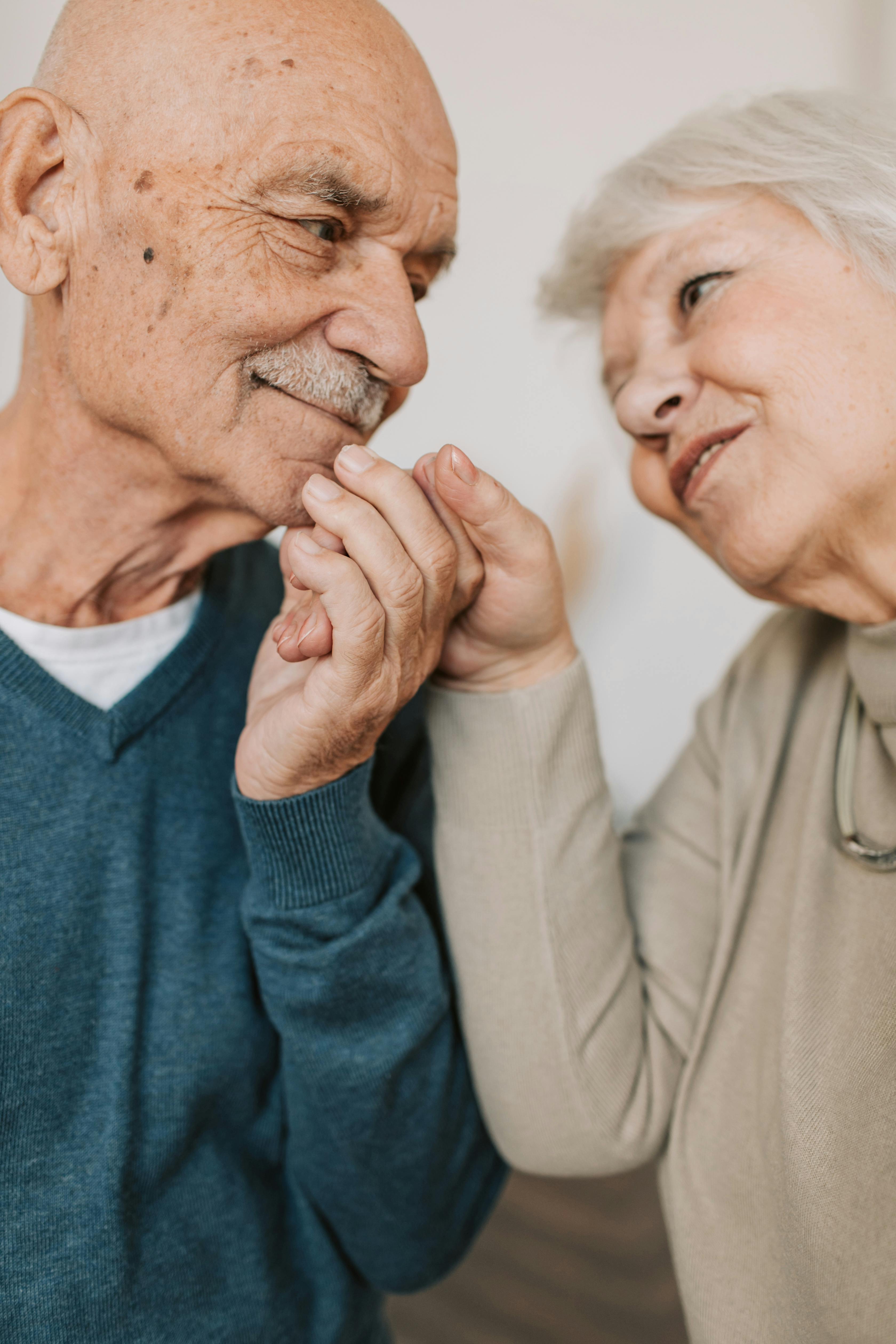
Finland has long been a diverse country. The Sámi are the indigenous people, and linguistic minorities include, among others, Swedish-speaking Finns, Roma, and Ingrian Finns. The population includes people from over 180 different linguistic and cultural backgrounds, both people who have migrated to Finland and those born in Finland whose roots are elsewhere.
People with a foreign language background currently make up about 10% of the population, and this share continues to grow. This means that Finland is home to an increasing number of people with dementia whose mother tongue is neither Finnish, Swedish, nor Sámi. The most common language groups are Russian, Estonian, Arabic, and English. Language groups and their sizes vary by region, so it is important for professionals in memory care to take the local situation into account.
Views on Dementia in Different Cultures
In memory care, it is important to be aware that:
- Immigrants may have a higher risk of developing dementia due to factors such as language barriers, lack of information, and social isolation.
- Cultural background can significantly influence how an individual or family relates to dementia and services. Some languages do not even have a specific word for dementia.
- Recognizing symptoms of dementia and beliefs about their causes may depend on cultural views of health and illness.
- In some cultures, illness is not discussed outside the family, and it may be associated with strong stigma, fear, and shame.
Considerations in Memory Assessments
- Basic examinations to investigate dementia are the same as for the majority population.
- Memory tests should be conducted in the client’s mother tongue whenever possible.
- If an interpreter is used, it is important that the interpreter is aware of how dementia affect language functions.
- Some tests used in Finland are available in other languages, but not all tests are culturally adapted.
- When making a diagnosis, it is important to consider the client’s overall situation and the influence of cultural practices in assessment situations.
- The role of loved ones can be significant as sources of information during the assessment process.
Views on the Treatment of Dementia in Different Cultures
- Different countries have different ways of caring for people with dementia, and practices in the country of origin may influence how and when immigrants seek care in Finland.
- Immigrants often seek treatment for dementia later than the majority population. Access to care may be delayed by stigma related to the illness, lack of trust, previous negative experiences, or financial challenges.
- Views on the treatment of dementia vary across cultures, and different perspectives may exist even within the same family. It is important to clarify with clients and their family members what expectations they have regarding participation in care.
- Many immigrants have access to fewer support services, so it is important to consider how a family member acting as an informal caregiver is coping.
- In multicultural families, a shared language may be lost as dementia progresses. Finland is also home to people who bear responsibility for caring for a loved one with dementia living in their country of origin.
- It is important to remember that culture alone does not define an individual’s views on health or care.
Individual Tasks
- Strengthening Cultural Awareness
Think about encounters with people from different cultures in your leisure time, on vacation, or at work. Reflect on the following:- What worked well?
- What differences did you notice?
- How did you react?
- How did you communicate?
- What did you learn from the encounter?
- Did your perception of the person or the culture change during the encounter?
- How can you encounter a person with dementia respectfully regardless of culture and show that you value their background? For example, how could cultural characteristics be taken into account in residential care?
Group Tasks
- Cultural Mirror
Discuss which of the following statements apply to members of the group and share your experiences:- I can make my own choices about what and where I want to study or work.
- I know that I should always consult my parents about important decisions.
- The needs of the family are more important than doing what I want.
- I was raised to not express my opinions, but to listen to those older than me.
- Talking about dementia is a taboo in my culture.
- I trust doctors more than my family in the treatment of dementia.
- Symptoms of dementia are considered a natural part of aging.
- Professionals are consulted only when the family can no longer cope.
How do you think a person from another culture might view these statements?
- The Role of the Family and Expectations
Describe how the role of the family in caring for a person with dementia may be viewed in different cultures. Consider, for example:- Who is expected to take responsibility for care?
- Where is care typically provided—at home or in residential care?
- How are decisions about care made?
- How might these cultural expectations influence the care experience?
- What assumptions do care systems sometimes make?
More information about the topic (in Finnish)

More information
Muistiopas-hanke; eri kieli- ja kulttuuritaustaisten muistisairaiden ja läheisten tukeminen, monikulttuurisen muistityön kehittäminen ja vahvistaminen (suomi, svenska, English)

Muistiopas-hanke; eri kieli- ja kulttuuritaustaisten muistisairaiden ja läheisten tukeminen, monikulttuurisen muistityön kehittäminen ja vahvistaminen (suomi, svenska, Deutsch, English)